Monstera deliciosa
Monstera deliciosa
The Instagram star with fenestrated leaves: easy tropical if you avoid overwatering. Complete care guide.
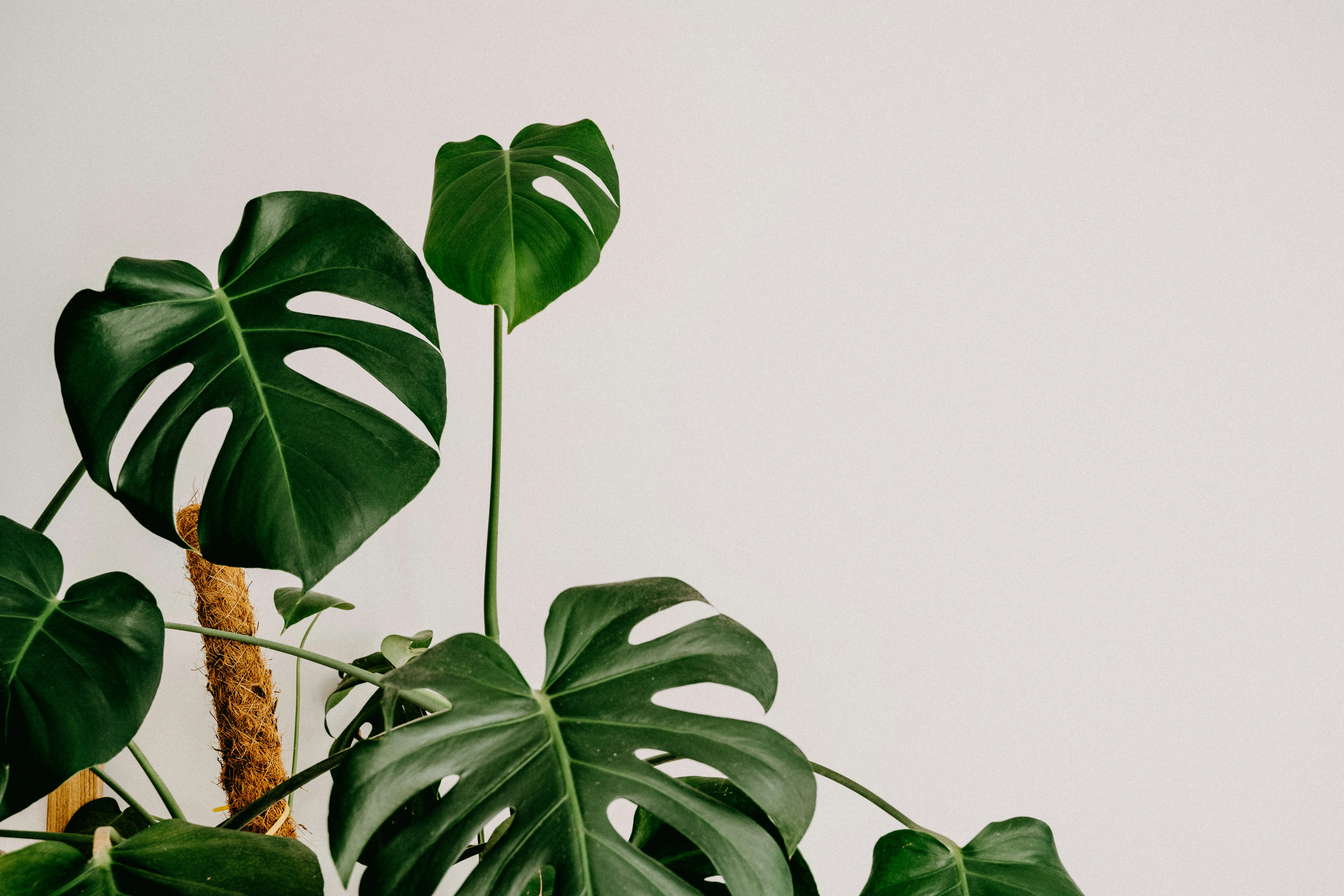
The Monstera deliciosa is probably the most popular indoor plant worldwide. Its dramatic fenestrated leaves and architectural habit make it an instant statement piece. It’s a hemi-epiphytic vine native to the humid tropical forests of Mexico, where it climbs along trunks using aerial roots.
What you really need to know
The Monstera is surprisingly easy as long as you avoid overwatering — the leading cause of death for this species. Always check that the top 3 cm of soil are dry before watering. Place it in bright indirect light, add a moss pole to encourage fenestrations, and you’ll be rewarded with spectacular growth (30 to 60 cm per year).
Light
Bright indirect light is optimal. Near an east- or west-facing window, or 1-2 m from a south-facing one filtered through a sheer curtain. Avoid prolonged direct sun, which scorches the leaves. The Monstera survives in low light but new leaves stay small and unfenestrated.
Watering
Water when the substrate is dry on the top 3-4 cm. On average: every 7 days in summer, every 14 days in winter. Always water deeply until water runs through the drainage holes, then empty the saucer. The Monstera should never sit in water.
Humidity and temperature
Ideal between 60-80 % humidity and 18-25 °C. In winter, central heating drops indoor humidity below 35 %: use a humidifier or group your plants to create a microclimate.
Mistakes to avoid
- Watering on a fixed schedule without checking soil — the #1 killer
- Letting it sit in standing water — root rot in 48 hours
- Cutting aerial roots for aesthetics — those roots absorb moisture and provide stability
- No support — without a moss pole the plant stays juvenile and rarely fenestrates
Toxicity
⚠️ Toxic to cats, dogs and children: every part contains calcium oxalate crystals that irritate the mouth and esophagus when ingested. Keep out of pets’ reach.
Propagation
The Monstera roots easily in water. Cut 1-2 cm below a node with an aerial root, place in a jar, change water every 5 days, transfer to soil when roots reach 8-10 cm. See our complete water propagation guide.
Cultivars to discover
- Monstera deliciosa “Thai Constellation”: stable cream variegation
- Monstera deliciosa “Albo Variegata”: unstable white variegation, highly sought after
- Monstera adansonii: smaller leaves with holes but no splits
Frequently asked questions
How often should I water this plant?
Water Monstera deliciosa every 7-14 days, adjusting for season, pot size and available light. Always check that the top of the substrate has started to dry before watering.
Is this plant toxic to cats and dogs?
Monstera deliciosa is classified as "toxic". As a precaution, keep it away from pets that chew leaves and contact a vet if ingestion causes symptoms.
Why are its leaves turning yellow?
Yellow leaves on Monstera deliciosa most often come from overwatering, low light or recent stress. First check substrate moisture, root condition and placement.
Where should I place it at home?
Monstera deliciosa prefers bright indirect light. Place it near a bright window without harsh direct sun, then adjust if leaves fade, brown or growth slows.
Is it beginner-friendly?
Monstera deliciosa is a good beginner plant if watering stays moderate and regular.
Sources and method
This fact sheet is based on public botanical references, recognized horticultural recommendations and the SPRAIA editorial method.
- Royal Botanic Gardens, Kew
- Missouri Botanical Garden
- Royal Horticultural Society
- GBIF
Diagnose and track this plant
SPRAIA is in private beta. Join the list to test plant identification, visual diagnosis and reminders tailored to each plant.
Join the private beta